

The Connection Between Nature, Water, and Wellbeing in Interior Design
There is a reason people instinctively choose a table by the window, gravitate toward homes with garden views, or feel calmer walking along the coastline than they do navigating a crowded city street.
Our relationship with nature is not simply a matter of preference. It is deeply rooted in human psychology.
For thousands of years, natural landscapes shaped the way humans lived, travelled, and found safety. Long before modern buildings, screens, and urban environments, people relied on their connection to the natural world. Although contemporary life looks very different, our minds still respond positively to many of the same environmental cues. Open horizons, natural light, greenery, and water continue to influence how we feel within a space.
This understanding has become increasingly important in modern interior design. Rather than focusing solely on aesthetics, designers are paying closer attention to how environments affect wellbeing. As a result, nature wall art and coastal-inspired interiors have become more than decorative trends. They are part of a broader movement toward creating homes that feel restorative, balanced, and connected to the world outside.
Understanding the Principles of Biophilic Design
One of the most influential concepts in contemporary interior design is biophilic design.
At its core, biophilic design is based on a simple idea: people thrive when they maintain a connection to nature. While not every home can overlook the ocean or sit within a lush landscape, design can introduce natural elements that help recreate some of those benefits.
This might include indoor plants, natural materials, abundant daylight, or artwork inspired by the natural world.
Research consistently shows that exposure to natural environments can help reduce stress, improve concentration, and support overall wellbeing. What makes artwork particularly powerful is its ability to evoke these feelings even when the actual environment is not present. A carefully selected landscape or coastal scene can serve as a visual reminder of places that encourage calmness and reflection.
This is one reason nature art remains a lasting presence in homes across different design styles. Unlike short-lived trends, our connection to nature is unlikely to disappear because it reflects something fundamental about human experience.
Why Water Has Such a Powerful Effect on the Mind
Among all natural elements, water holds a unique place in human psychology.
Think about the places people often choose when they want to relax. Beaches, lakes, rivers, and oceanfront destinations consistently rank among the most sought-after environments for holidays and recreation. The appeal extends beyond beauty alone.
Water introduces movement without chaos. Waves repeat predictable patterns. Reflections soften visual landscapes. Horizons create a sense of openness that allows the mind to feel less constrained.
These qualities help explain why coastal destinations are often associated with relaxation and wellbeing.
In interior design, artwork featuring water can recreate some of these effects. Rather than overwhelming a room, coastal imagery tends to introduce visual breathing space. It encourages the eye to wander naturally, creating a subtle sense of calm that many modern interiors lack.
This is where meaningful coastal artwork becomes particularly valuable. Instead of acting as a simple decorative accessory, it contributes to the atmosphere of a room and influences how people experience the space over time.
Bringing Nature Indoors Through Art
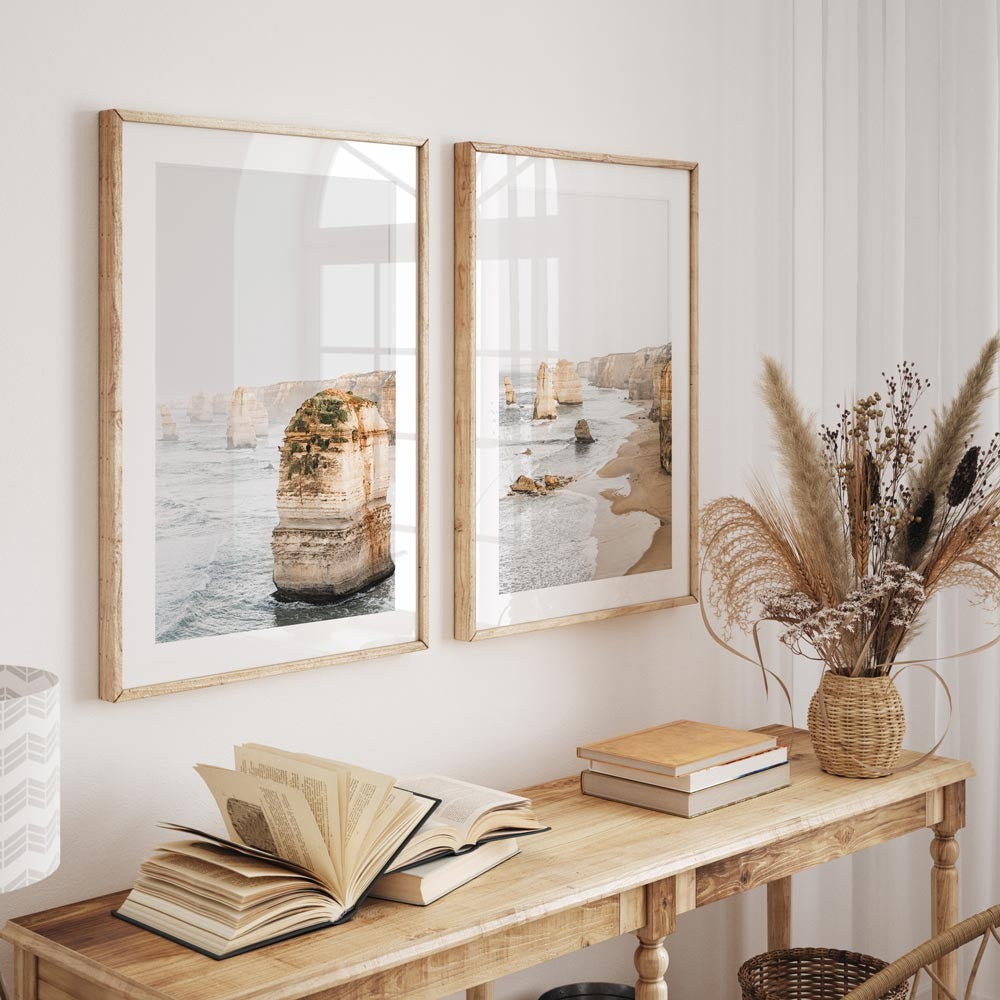
While large windows and outdoor views are ideal, they are not always possible. Artwork often becomes one of the most effective ways to maintain a connection with nature within the home.
The key is choosing pieces that feel authentic rather than purely decorative.
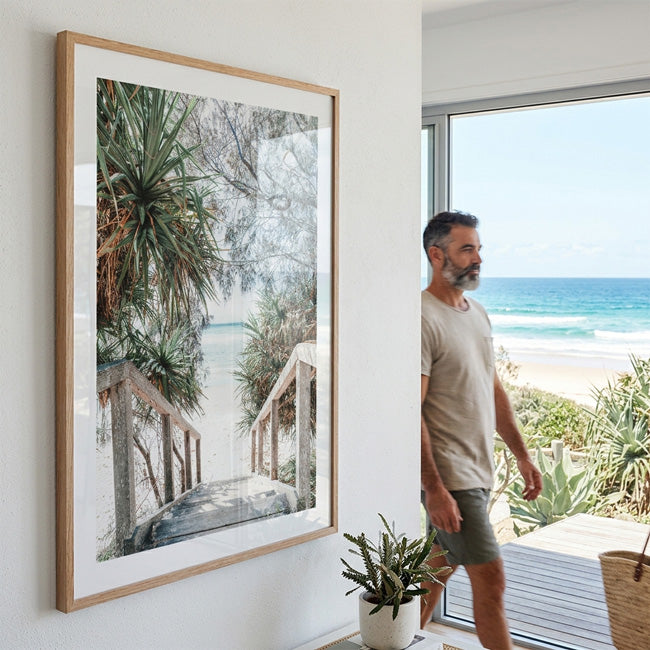
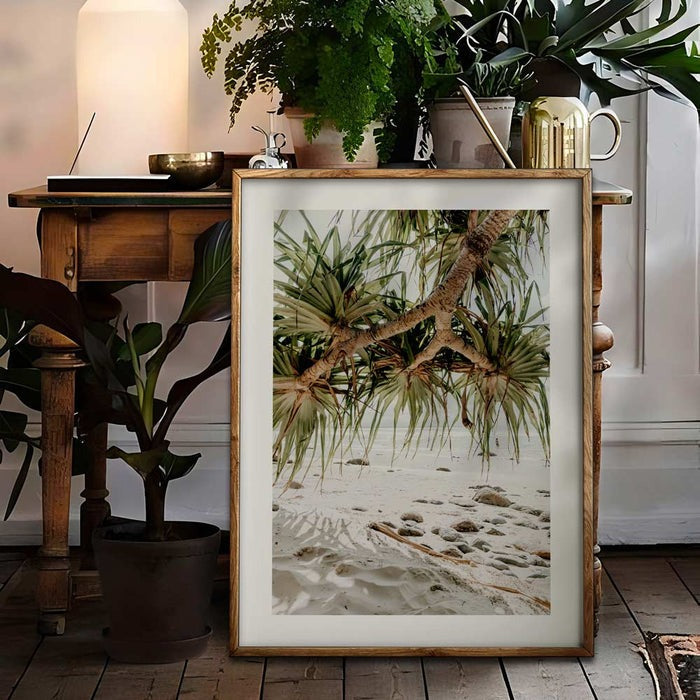
For example, Wategos Pandanus Art Print celebrates the relationship between coastal vegetation and landscape. The organic forms and natural textures create a visual connection to the environment, making it especially effective in living spaces where warmth and relaxation are priorities.
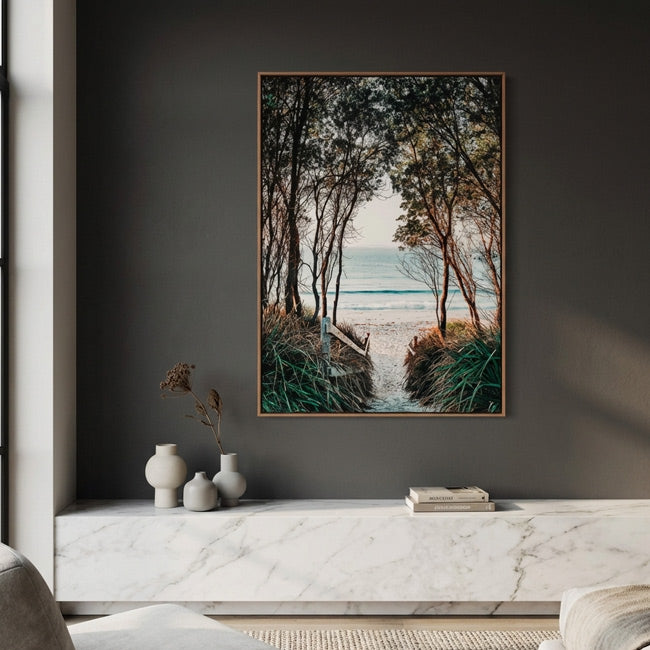
Similarly, Magic Point Maroubra Art Print captures a fleeting moment where light, water, and horizon come together. The image demonstrates how simplicity can often have a stronger emotional impact than complexity. Rather than demanding attention, it creates a sense of openness that allows a room to feel larger and more peaceful.
These types of artworks do more than fill empty walls. They help shape the emotional character of a space.
Creating Restorative Spaces Through Coastal Imagery
Many homeowners underestimate the role artwork plays in determining the mood of a room.
Furniture establishes function. Lighting influences visibility. Colour creates atmosphere. Artwork, however, often provides the emotional narrative.
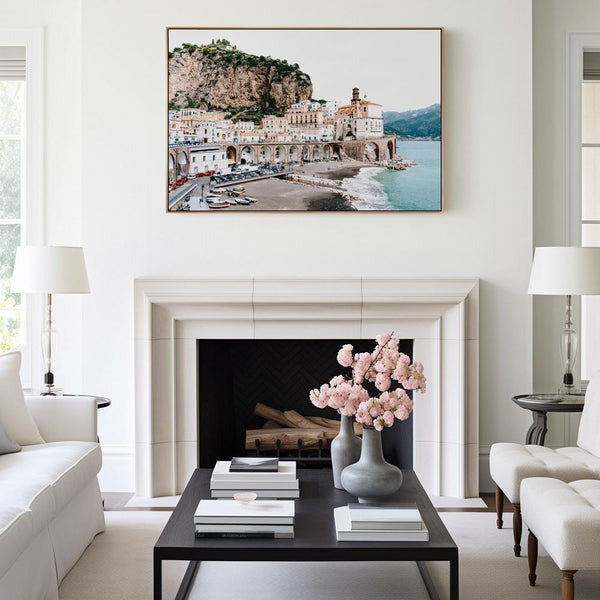
This is one reason the Coastal Collection resonates with so many different interior styles. Coastal scenes naturally combine several elements associated with wellbeing: water, open space, natural light, and a connection to the outdoors.
A piece such as Drift & Dive Bondi Art Print illustrates this perfectly. The image captures both movement and tranquillity, reflecting the balance that many people seek within their homes. It works particularly well in spaces designed for relaxation, creativity, or reflection because it introduces energy without creating visual clutter.
Whether displayed in a bedroom, living room, home office, or reading nook, coastal-inspired artwork can help transform an ordinary room into a more restorative environment.
Why Nature-Inspired Design Continues to Endure
Interior design trends change constantly. Colours, materials, and decorative styles rise and fall in popularity. Yet nature-inspired interiors continue to remain relevant decade after decade.
The reason is simple.
People do not connect with nature because it is fashionable. They connect with it because it satisfies a deeper psychological need. Natural environments help restore attention, reduce feelings of stress, and provide a sense of perspective that is often missing from busy modern lifestyles.
As homes increasingly become places for work, relaxation, and personal wellbeing, this connection becomes even more valuable. Thoughtfully chosen coastal wall art allows homeowners to bring some of those benefits indoors, creating spaces that feel more comfortable, balanced, and emotionally engaging.
Designing for Wellbeing, Not Just Appearance
The most successful interiors are rarely the most expensive or the most elaborate. Instead, they are the spaces that make people feel comfortable the moment they enter.
Nature has always played an important role in creating that feeling. Whether through sunlight, plants, natural materials, or artwork, its presence helps transform a room from a collection of objects into a place that supports wellbeing.
A carefully chosen piece of canvas art can become part of that experience. It can remind us of a favourite destination, reconnect us with the natural world, or simply provide a moment of calm within a busy day.
Ultimately, the enduring appeal of coastal and nature-inspired artwork lies in its ability to do something many decorative objects cannot. It changes not only how a room looks, but how it feels to live within it.

Leave a comment
This site is protected by hCaptcha and the hCaptcha Privacy Policy and Terms of Service apply.