




Why Palm Trees Represent More Than Just a Tropical Landscape
Palm trees are often associated with sunshine, beaches, and coastal destinations.
They appear in travel advertisements, holiday photographs, resort landscapes, and countless pieces of artwork inspired by warm-weather living. At first glance, it is easy to understand their appeal. Their distinctive silhouettes, elegant proportions, and connection to beautiful environments make them naturally photogenic.
Yet the popularity of palm trees extends beyond aesthetics.
For centuries, palm trees have carried symbolic meaning across cultures, religions, and societies. They have represented victory, peace, prosperity, resilience, and endurance. Long before they became icons of tropical destinations, they were admired for something deeper: their remarkable ability to thrive under challenging conditions.
Perhaps this is why palm trees continue to resonate so strongly today.
In many ways, they represent qualities that people admire not only in nature but also in themselves.
The Strength Hidden Behind Elegance
Unlike large oak trees or towering pines, palm trees often appear delicate.
Their trunks are slender. Their crowns move easily with the wind. Their leaves sway rather than resist.
At first glance, they seem fragile.
Yet this impression is misleading.
Palm trees survive conditions that would damage or destroy many other species. Strong coastal winds, intense heat, salty air, and powerful storms are all part of the environments they naturally inhabit. Their ability to endure these challenges comes not from rigidity but from flexibility.
Rather than fighting against every force they encounter, palm trees adapt.
They bend.
They move.
They absorb pressure instead of resisting it completely.
This characteristic has made palm trees a powerful symbol of resilience throughout history. Their strength comes not from remaining unchanged but from their ability to adjust while continuing to grow.
Why Flexibility Is Often Greater Than Strength
Modern culture often celebrates toughness.
People admire determination, persistence, and unwavering commitment. While these qualities are important, nature frequently teaches a different lesson.
Survival is not always about standing firm.
Sometimes it is about knowing when to bend.
Palm trees demonstrate this principle beautifully. During severe storms, their flexibility often becomes their greatest advantage. While more rigid trees may break under pressure, palm trees are able to move with changing conditions and recover once the storm passes.
The metaphor feels surprisingly relevant to modern life.
Careers change.
Plans shift.
Unexpected challenges arise.
The ability to adapt without losing direction is often what allows people to continue moving forward.
This may help explain why palm imagery resonates with so many people. The symbolism feels familiar because it reflects experiences that are universally human.
A Symbol of Growth Against the Odds
One of the most remarkable aspects of palm trees is where they grow.
Many thrive in environments that appear harsh and demanding. Coastal landscapes expose them to wind, heat, salt, and shifting conditions that would challenge less adaptable species.
Yet they continue to flourish.
This resilience has made palm trees symbols of perseverance in cultures around the world. They remind us that growth does not always require perfect circumstances. Sometimes growth occurs because challenges encourage strength rather than prevent it.
The lesson feels particularly meaningful today.
People often wait for ideal conditions before pursuing goals or making changes. Nature suggests another possibility. Progress is often made not when circumstances become easy, but when we learn to grow despite uncertainty.
Palm trees embody this idea quietly but powerfully.
Why Palm Trees Have Appeared Throughout History
The symbolic importance of palm trees extends back thousands of years.
Ancient civilizations viewed them as signs of abundance and prosperity because they provided food, shelter, and valuable resources in challenging environments. In many cultures, palms became associated with peace, success, and renewal.
Their appearance in art, architecture, and religious traditions reflects this long history.
What's remarkable is how these meanings continue to feel relevant despite dramatic changes in society.
While modern people may not rely on palm trees for survival, the qualities they represent remain deeply admired. Resilience, growth, adaptability, and endurance are just as valuable today as they were centuries ago.
This continuity helps explain why palm imagery remains timeless while many visual trends come and go.
More Than a Coastal Aesthetic
Many homeowners are initially drawn to palm tree wall decor because of its visual appeal.
The imagery feels bright, open, and connected to nature. Palm trees often evoke memories of holidays, coastal living, and outdoor lifestyles that many people find appealing.
Yet their enduring popularity may have just as much to do with symbolism as appearance.
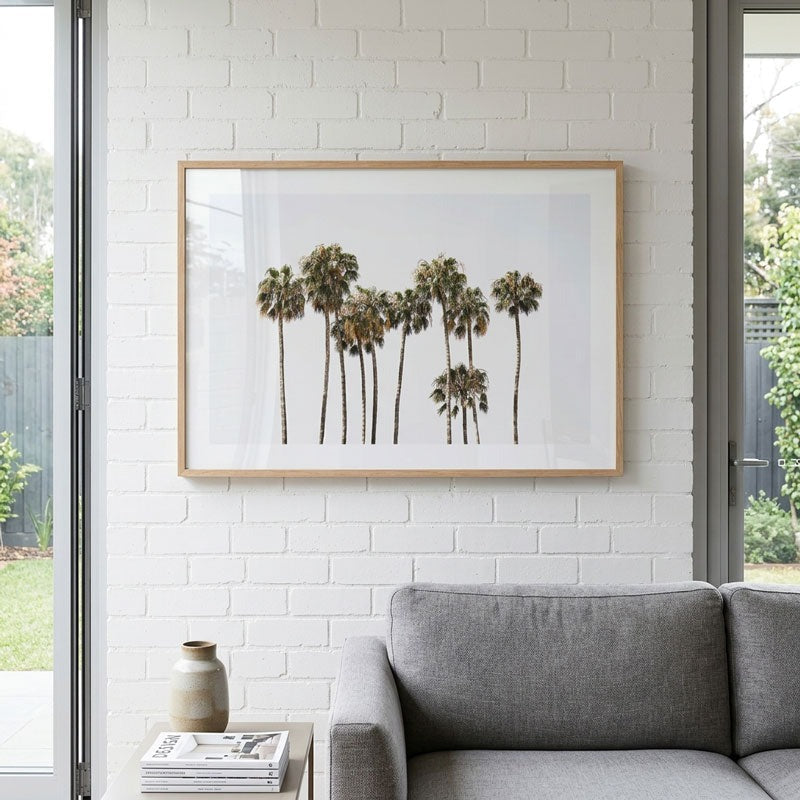
A piece such as California Palms Art Print captures more than a beautiful landscape. The image reflects openness, possibility, and the relaxed confidence often associated with coastal environments. It creates a sense of perspective that extends beyond the physical room.
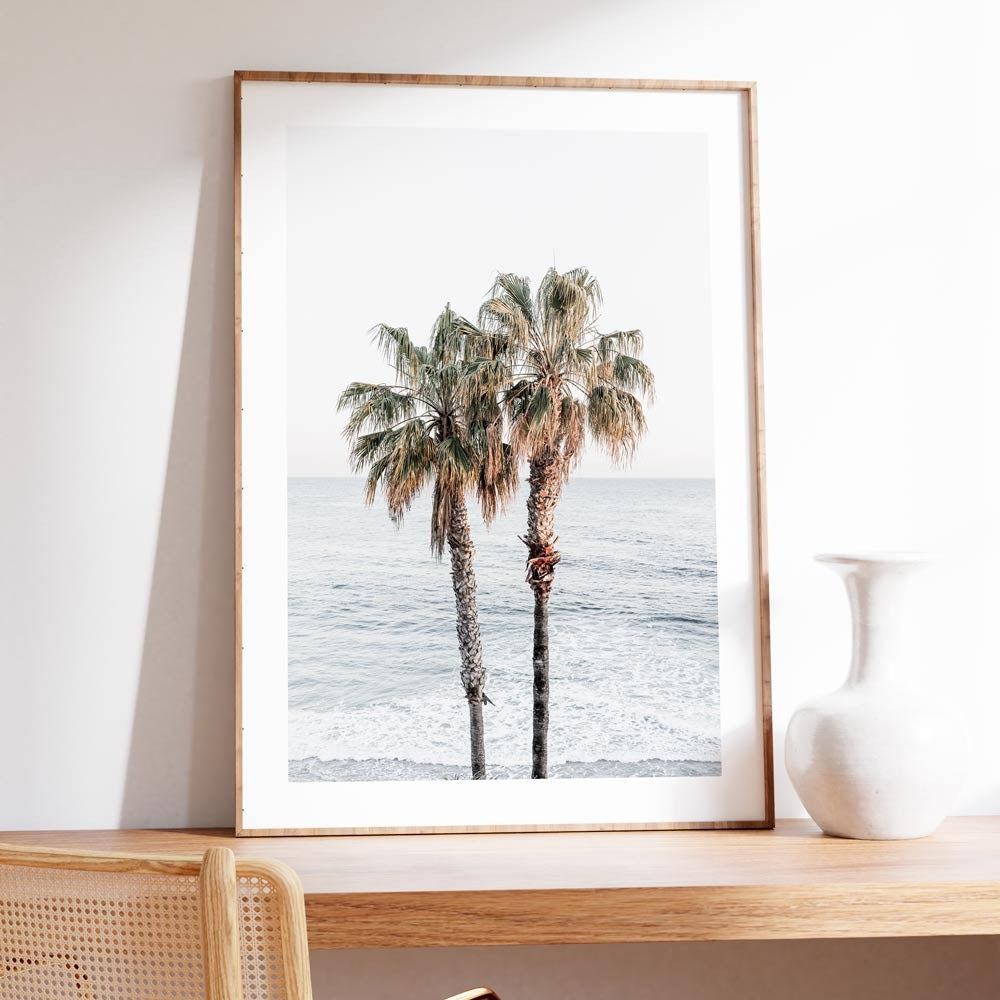
Similarly, Catalina Palms Art Print demonstrates how simple natural forms can communicate powerful ideas. The artwork feels calm and effortless, yet the subject itself carries centuries of symbolism connected to resilience and endurance.
These layers of meaning often contribute to the emotional connection people develop with artwork over time.
Why Meaningful Artwork Lasts Longer
One reason some artwork remains enjoyable year after year is that it offers more than visual interest.
It carries meaning.
Trends often fade because they rely primarily on novelty. Once the novelty disappears, the appeal weakens. Symbolic subjects tend to age differently because people continue discovering new relevance within them.
Palm trees belong to this category.
They can represent travel and relaxation.
They can represent perseverance and growth.
They can represent freedom, adaptability, and optimism.
The interpretation changes depending on the viewer, which allows the artwork to remain meaningful long after the initial purchase.
This is one reason palm tree canvas wall art continues to work so effectively in both contemporary and traditional interiors.
The imagery feels timeless because the ideas behind it are timeless.
What Palm Trees Teach Us About Resilience
Perhaps the most enduring lesson offered by palm trees is surprisingly simple.
Strength and flexibility are not opposites.
In many situations, they are the same thing.
Palm trees do not survive because they refuse to move. They survive because they understand how to move without losing their foundation. They adapt without surrendering their identity.
That lesson has inspired cultures, artists, and designers for generations.
The Palm Trees Collection celebrates this connection beautifully. Whether displayed as framed palm tree wall art, incorporated alongside other art prints, or chosen as a statement piece within a room, palm-inspired imagery offers more than a coastal aesthetic.
It offers a reminder.
Growth is possible in difficult conditions.
Adaptability is a form of strength.
And sometimes the things that appear most resilient are the ones willing to bend when life demands it.
That is why palm trees represent far more than a tropical landscape.
They represent a way of moving through the world.


Leave a comment
This site is protected by hCaptcha and the hCaptcha Privacy Policy and Terms of Service apply.