

Bringing Nature Indoors: The Lasting Appeal of Botanical Wall Art
Modern life has created a strange contradiction.
Despite living in more comfortable homes than ever before, many people feel increasingly disconnected from the natural world. Our days are spent moving between offices, vehicles, screens, and indoor environments. Hours pass without seeing a horizon, touching natural materials, or spending meaningful time outdoors.
Perhaps this is why nature has become one of the most influential forces in contemporary interior design.
People are no longer decorating their homes solely to impress guests or follow trends. They are creating spaces that help them feel calmer, healthier, and more connected to the world around them. This shift has fuelled the growing popularity of biophilic design—a design philosophy centred around humanity's innate relationship with nature.
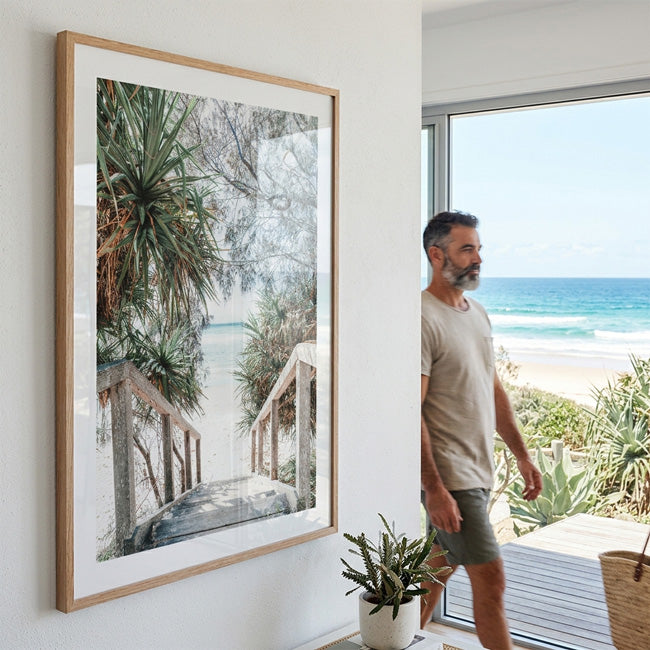
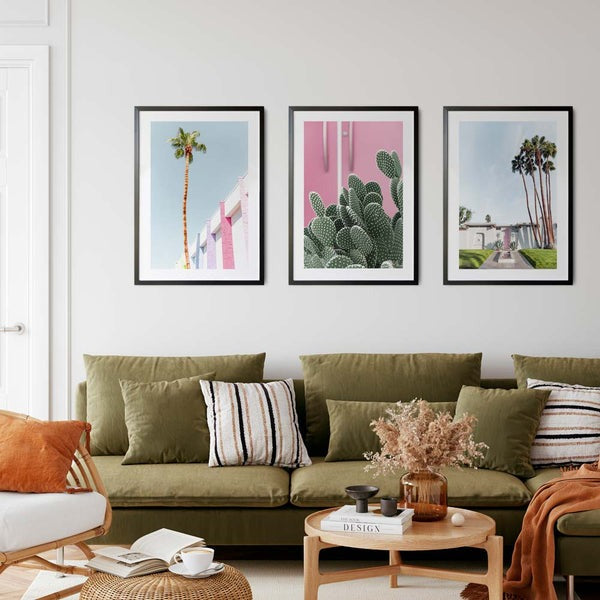
One of the simplest and most effective ways to introduce this connection is through botanical prints wall art. Unlike temporary design trends, botanical imagery speaks to something much deeper. It brings elements of nature indoors, creating spaces that feel more welcoming, restorative, and emotionally balanced.
Why Humans Crave a Connection With Nature
The desire to surround ourselves with nature is not simply a lifestyle preference.
For most of human history, natural environments shaped every aspect of daily life. Forests, rivers, plants, and open landscapes provided food, shelter, safety, and resources. Our brains evolved within these environments, learning to recognise natural settings as places of opportunity and wellbeing.
Although modern life has transformed how we live, many of those instincts remain unchanged.
Researchers studying environmental psychology have consistently found that exposure to nature can reduce stress, improve mood, and support mental wellbeing. Even brief encounters with natural environments have been shown to create measurable psychological benefits.
The challenge, of course, is that many people spend the majority of their lives indoors.
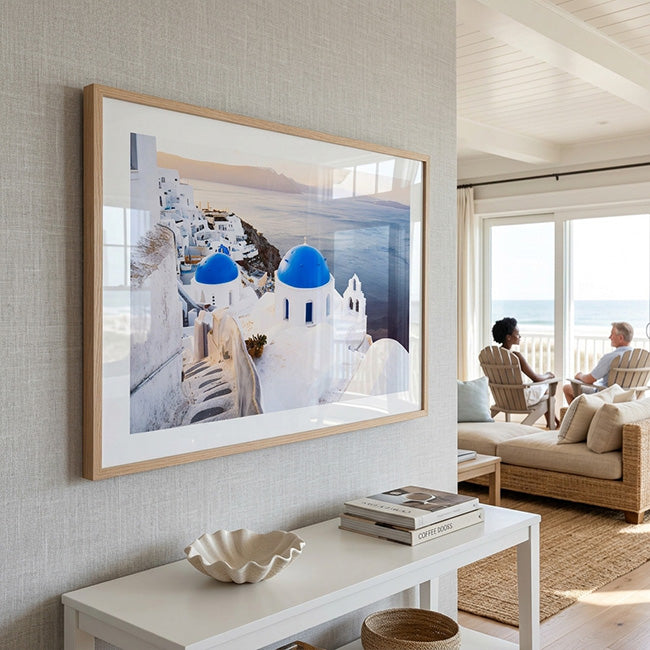
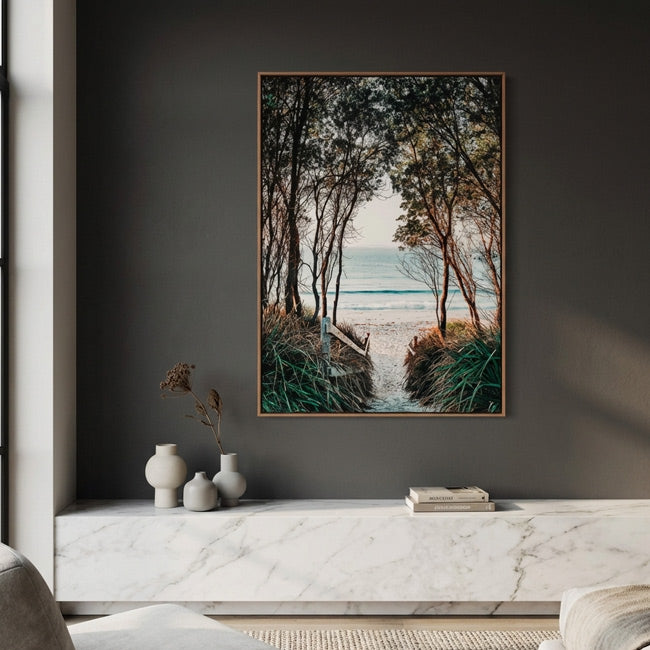
This is where interior design becomes important. By introducing natural materials, organic forms, and nature-inspired imagery, homeowners can recreate some of the emotional benefits associated with outdoor environments.
The Rise of Biophilic Design
Biophilic design has become one of the most influential movements in architecture and interiors over the past decade.
The concept is based on a simple belief: people function better when they maintain a connection with nature.
This doesn't necessarily mean filling a room with plants. Instead, biophilic design encourages the thoughtful integration of natural elements throughout a space. Light, texture, colour, materials, and artwork all contribute to this connection.
Among these elements, artwork plays a particularly valuable role because it can instantly transform the atmosphere of a room.
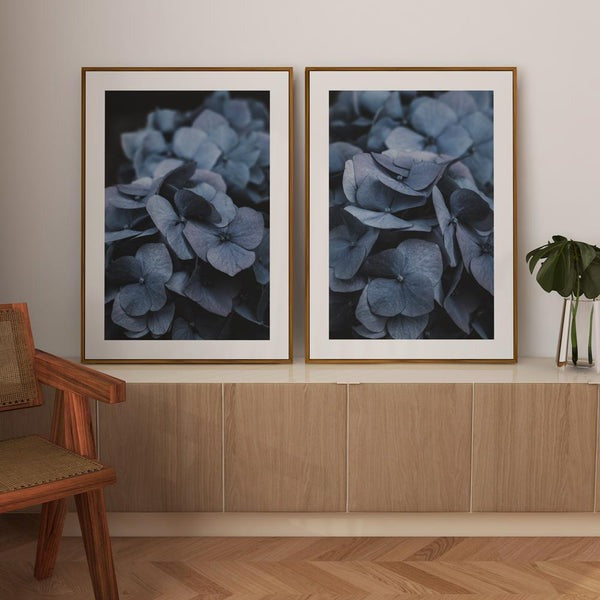
A carefully chosen piece of floral wall art introduces organic shapes, natural textures, and visual softness that many modern interiors lack. It creates a subtle reminder of the natural world without overwhelming the space.
In many ways, botanical artwork acts as a bridge between indoor living and outdoor experience.
Why Botanical Imagery Feels So Calming
Not all artwork affects us in the same way.
Some images energise us. Others stimulate curiosity or encourage reflection. Botanical imagery often creates a different response entirely.
It slows us down.
Flowers, leaves, and natural forms possess a level of visual complexity that feels interesting without becoming chaotic. Their shapes are irregular yet harmonious. Their colours are vibrant yet balanced. This combination allows the eye to engage comfortably with the image rather than becoming overstimulated.
This may explain why botanical subjects continue to appear in wellness spaces, luxury hotels, healthcare environments, and modern homes.
The imagery introduces a sense of calm that feels effortless.
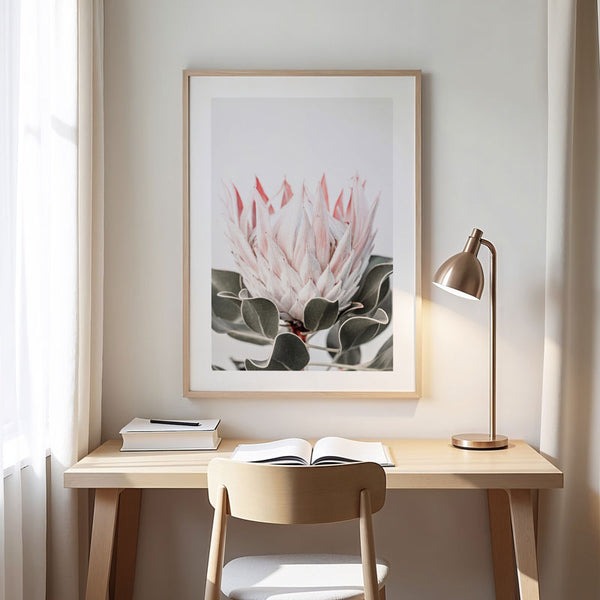
A piece such as Queen Protea Flower Art Print demonstrates this beautifully. The delicate petals and soft tones create a sense of elegance while maintaining a strong connection to nature. Rather than dominating a room, the artwork contributes to an atmosphere of quiet sophistication.
Nature as a Source of Emotional Wellbeing
One of the most interesting aspects of botanical artwork is its ability to influence how a room feels without changing its function.
A living room remains a living room.
A bedroom remains a bedroom.
Yet the emotional experience of those spaces can change dramatically.
Research suggests that natural imagery may help reduce feelings of mental fatigue by encouraging what psychologists describe as restorative attention. Unlike digital content, which constantly demands focus, natural subjects allow the mind to relax while remaining engaged.
This is particularly valuable in today's world, where many people use their homes for work, relaxation, socialising, and recovery.
Artwork inspired by nature provides visual breathing room within environments that are often filled with information and distraction.
Why Botanical Art Remains Timeless
Interior trends are often driven by novelty.
A colour becomes fashionable. A furniture style gains popularity. A decorative movement captures attention before eventually fading.
Botanical subjects operate differently.
Flowers and plants have appeared throughout art history for centuries because they represent themes that remain universally relevant: growth, renewal, beauty, resilience, and life itself.
This timeless quality helps explain why flower wall art continues to work across such a wide variety of interiors.
Whether displayed in a minimalist apartment, a coastal home, a contemporary office, or a traditional family residence, botanical imagery feels naturally at home.
The appeal is not tied to a particular trend. It is tied to the enduring human relationship with nature.
Creating Healthier, More Restorative Interiors
Many people think of artwork primarily as decoration.
In reality, artwork often contributes far more than visual interest.
It influences mood.
It shapes atmosphere.
It affects how a space is experienced every day.
This is one reason the Florals Collection resonates with homeowners seeking more thoughtful interiors. Rather than simply adding colour to a wall, the collection celebrates the beauty and diversity of the natural world. Pieces such as Yellow Banksia Art Print bring organic texture and botanical character into a space while maintaining a refined, contemporary aesthetic.
When combined with natural light, soft materials, and considered design choices, botanical artwork can help transform a room into a place that feels genuinely restorative.
Bringing Nature Home
The popularity of framed floral wall art is not simply a reflection of changing design preferences. It reflects a deeper desire to reconnect with something that modern life often pushes into the background.
Nature has always played an essential role in human wellbeing. While we may not spend every day walking through forests or tending gardens, we still respond positively to reminders of the natural world.
That is why botanical imagery continues to resonate across generations.
The best wall art does more than fill empty space. It changes the atmosphere of a room. It creates emotional connection. It encourages moments of calm within increasingly busy lives.
A thoughtfully chosen piece of canvas art can achieve exactly that—bringing a sense of nature indoors and reminding us that even within modern environments, our connection to the natural world remains as important as ever.

Leave a comment
This site is protected by hCaptcha and the hCaptcha Privacy Policy and Terms of Service apply.