

The Psychology of Bloom: Why Floral Art Makes Spaces Feel Alive
Walk into two identical rooms.
Give them the same furniture, the same layout, and the same colour palette.
Then place a striking floral artwork in one of them.
Something changes.
The room feels warmer. More welcoming. More alive.
Interestingly, this reaction has very little to do with decoration alone.
Humans have a remarkable ability to respond emotionally to visual cues that signal life, growth, and vitality. Long before interior design became an industry, our brains were already interpreting flowers as indicators of healthy environments and favourable conditions. While modern homes are far removed from those ancient survival instincts, the psychological response remains surprisingly powerful.
This helps explain why floral imagery continues to appear across cultures, design styles, and generations. Whether displayed as flower canvas wall art, incorporated into a gallery wall, or featured as a statement piece, botanical subjects possess an enduring ability to transform how a space feels.
The appeal isn't simply aesthetic.
It's deeply human.
Why Flowers Instantly Change the Mood of a Space
Most objects inside a home are functional.
Tables support daily activities. Lighting improves visibility. Storage helps maintain order.
Flowers serve a different purpose.
Their value is almost entirely emotional.
Throughout history, flowers have been associated with celebration, renewal, beauty, and life itself. They emerge after winter. They signal changing seasons. They mark moments of growth and transformation.
Because of these associations, floral imagery often introduces a subtle sense of optimism into a room.
When people describe a space as feeling "fresh" or "uplifting," they are often responding to visual cues that suggest vitality. Flowers naturally provide those cues. Their organic forms, delicate structures, and connection to nature help create environments that feel less static and more alive.
This is one reason floral art wall designs continue to resonate so strongly in contemporary interiors.
They remind us that a home should feel lived in, not merely styled.
The Connection Between Flowers and Human Psychology
Psychologists have long studied the ways natural environments influence human wellbeing.
One recurring finding is that people generally respond more positively to organic forms than rigid, artificial ones. Curved shapes, natural textures, and irregular patterns tend to feel more comfortable because they reflect the environments humans evolved within.
Flowers embody all of these characteristics.
No two petals are identical. No bloom follows perfect symmetry. Their beauty comes from complexity balanced with harmony.
This may help explain why floral imagery often feels calming even when the colours are vibrant. The brain recognises these forms as familiar and non-threatening, allowing viewers to engage with them effortlessly.
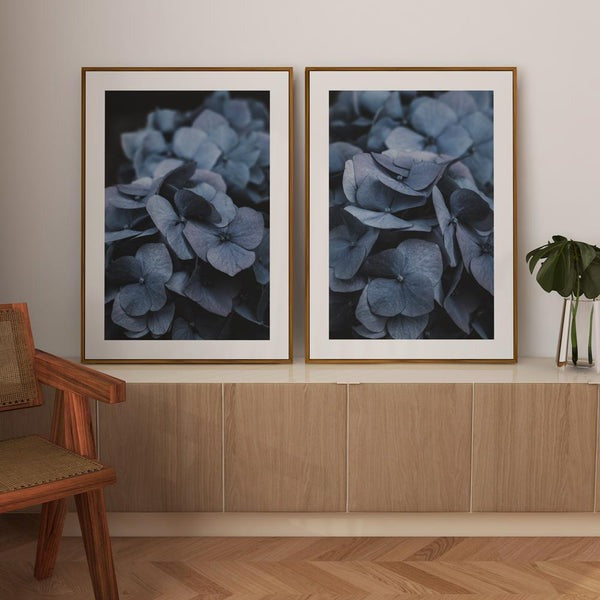
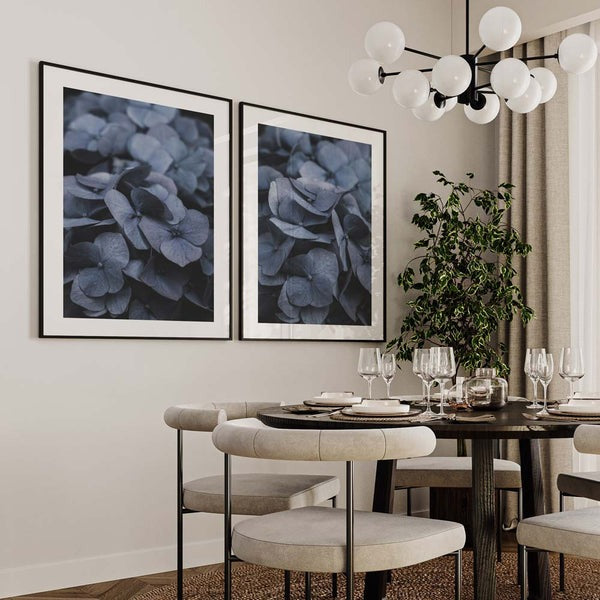
A piece such as Hydrangea I Art Print demonstrates this beautifully. The layered petals create depth and texture, drawing attention without becoming overwhelming. The artwork encourages a slower, more reflective viewing experience compared to imagery designed purely for visual impact.
In a world increasingly dominated by screens and constant stimulation, this quality becomes particularly valuable.
Why Growth and Renewal Matter in Interior Design
One of the most overlooked aspects of design is symbolism.
People rarely choose artwork based solely on colour. More often, they respond to what the image represents.
Flowers carry some of the most universally positive symbolism found in nature.
Growth.
Renewal.
Resilience.
Possibility.
Every bloom begins as something small before gradually unfolding into its full form. For centuries, this process has served as a metaphor for personal growth and transformation.
When floral imagery enters a home, it often introduces these associations subconsciously. The artwork becomes a quiet reminder of progress, change, and optimism.
This may seem abstract, but symbolism plays a significant role in how people experience their environments. The most memorable interiors often contain elements that reflect values and emotions rather than simply following design trends.
Colour Psychology and the Emotional Power of Florals
Flowers are among nature's most sophisticated uses of colour.
Soft whites create a sense of calm. Blues encourage reflection. Greens reinforce connection to nature. Warm yellows introduce energy and positivity.
When combined within artwork, these colours can subtly influence the mood of a room.
For example, Hydrangea II Art Print uses cooler tones that create a feeling of tranquillity and balance. The image works particularly well in bedrooms, reading spaces, and interiors designed around relaxation.
In contrast, botanical pieces featuring brighter blooms often introduce warmth and energy, making them suitable for living areas and social spaces.
This versatility is one reason floral artwork remains so effective across different interior styles. Whether the goal is calmness, elegance, or vibrancy, flowers naturally support a wide range of emotional outcomes.
Why Floral Art Continues to Feel Contemporary
Many design trends enjoy a brief period of popularity before gradually fading.
Floral imagery operates differently.
Because flowers are connected to universal human experiences rather than specific cultural moments, they continue to evolve without becoming irrelevant.
A botanical illustration from a century ago can still feel beautiful today.
A contemporary floral photograph can feel equally timeless.
This adaptability allows framed flower wall art to work across minimalist interiors, coastal homes, modern apartments, and traditional spaces alike.
The subject remains familiar, but the interpretation continually changes.
That combination of familiarity and freshness is remarkably rare in design.
Bringing Life Into Modern Spaces
Modern homes often prioritise efficiency.
Clean lines.
Minimal palettes.
Functional layouts.
While these qualities have their advantages, they can sometimes create environments that feel overly controlled or impersonal.
Nature introduces balance.
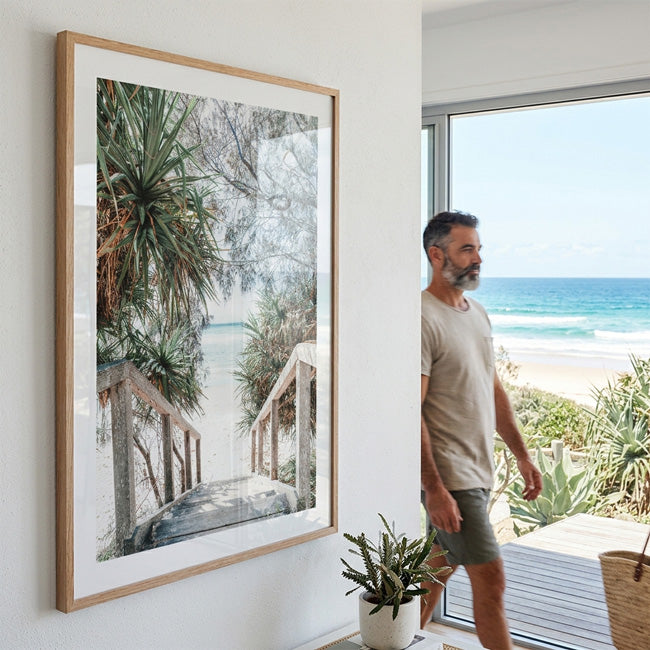
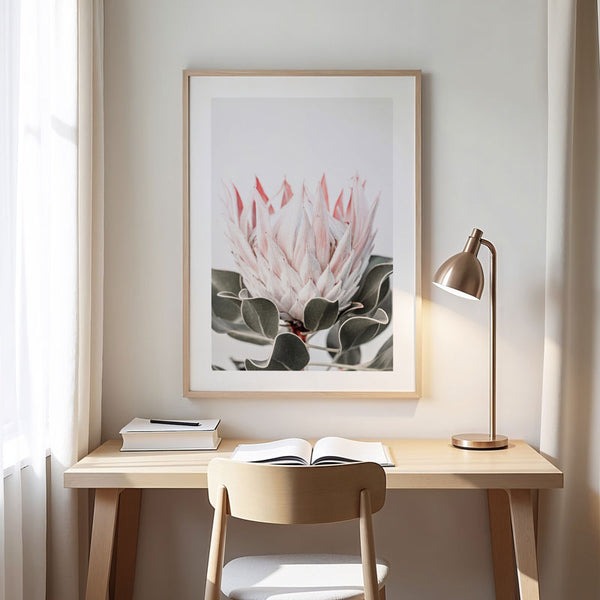
Artwork inspired by flowers and plants softens architectural spaces by introducing movement, texture, and organic form. A piece such as Modern Palm Art Print demonstrates how botanical subjects can feel both contemporary and alive, adding character without disrupting a room's overall aesthetic.
This is one reason the Florals Collection resonates with homeowners seeking more than decoration. The collection celebrates nature's ability to bring warmth and personality into everyday spaces while maintaining a refined and modern aesthetic.
Why Floral Art Makes Spaces Feel Alive
The enduring appeal of floral imagery cannot be explained by trends alone.
Flowers represent some of the most positive ideas found in nature: growth, beauty, resilience, renewal, and life itself. These themes continue to resonate because they reflect experiences shared across cultures and generations.
The best wall artwork does more than fill an empty space. It changes the emotional atmosphere of a room. It creates connection. It encourages people to slow down and engage with their surroundings.
Whether displayed as art prints, incorporated into a gallery arrangement, or chosen as a focal point within a room, floral imagery offers something increasingly valuable in modern life: a reminder that growth and beauty are always present, even in the smallest details.
Perhaps that is why flowers continue to inspire artists, designers, and homeowners generation after generation.
They don't simply make a room look better.
They make it feel alive.

Leave a comment
This site is protected by hCaptcha and the hCaptcha Privacy Policy and Terms of Service apply.