


Why Flowers Have Been Symbols of Beauty for Thousands of Years
Long before flowers appeared in galleries, homes, or as carefully curated pieces of wall art, they occupied a far more significant place in human life.
They were woven into ceremonies, offered as gifts, carved into temples, painted into manuscripts, and celebrated in stories passed down through generations. Across continents and cultures that never met one another, flowers emerged again and again as symbols of beauty, hope, renewal, and meaning.
This raises an interesting question.
Why flowers?
Human history is filled with remarkable animals, landscapes, and natural wonders. Yet flowers seem to occupy a unique position in our collective imagination. Thousands of years have passed, civilizations have risen and fallen, artistic styles have transformed dramatically, and still flowers remain one of the most enduring subjects in art and design.
Their lasting appeal suggests something deeper than simple decoration.
Flowers speak to universal human experiences. They remind us of life's fragility and beauty, of growth and change, of the seasons that shape both nature and our own lives. Perhaps that is why floral imagery continues to resonate today, just as powerfully as it did centuries ago.
The Ancient Origins of Floral Symbolism
Flowers have carried symbolic meaning for much longer than most people realise.
In Ancient Egypt, lotus flowers represented creation, rebirth, and spiritual awakening. Their daily cycle of opening with the sun and closing at night became a powerful metaphor for renewal and life itself.
In Ancient Greece and Rome, flowers were closely associated with gods, celebrations, and mythology. Roses symbolised love and beauty, while laurel wreaths became signs of achievement and honour.
Across Asia, cherry blossoms came to represent the fleeting nature of life, while peonies were celebrated as symbols of prosperity and good fortune.
What's remarkable is that these cultures developed independently, yet many assigned similar meanings to flowers. Again and again, blooms became symbols of growth, abundance, beauty, and transformation.
This consistency reveals something important. Human beings are naturally drawn to flowers not only because they are visually appealing, but because they reflect ideas and emotions that feel universally meaningful.
Why Flowers Became a Universal Symbol of Beauty
Beauty is often considered subjective.
Yet flowers come remarkably close to being universally admired.
Part of this may be explained by the role flowers played throughout human history. Healthy flowering plants often indicated fertile land, changing seasons, and environments capable of supporting life. In practical terms, flowers frequently signalled abundance and opportunity.
Over time, those associations became deeply embedded within human culture.
Flowers came to represent life's most positive qualities. They appeared during celebrations, marriages, births, and important milestones. They became gifts exchanged between loved ones and symbols used to express emotions that words sometimes struggled to communicate.
As a result, flowers evolved into visual shorthand for beauty itself.
Even today, people rarely need an explanation for why flowers are beautiful. The response feels instinctive because generations before us responded in exactly the same way.
The Victorian Era and the Secret Language of Flowers
Perhaps no period embraced floral symbolism more enthusiastically than the Victorian era.
During the nineteenth century, flowers became part of an elaborate communication system known as floriography. Different blooms carried different meanings, allowing people to express affection, admiration, friendship, or sympathy through carefully selected arrangements.
A bouquet was not merely decorative.
It was a message.
The popularity of floriography demonstrated how deeply flowers had become woven into social and emotional life. They were no longer simply elements of nature. They had become symbols capable of communicating human experiences and emotions.
This fascination also influenced art, architecture, textiles, and interior decoration. Floral motifs appeared everywhere because they carried layers of meaning beyond their visual appeal.
In many ways, contemporary floral artwork continues this tradition.
Why Floral Imagery Transcends Design Trends
Most design trends have a limited lifespan.
Certain colours become fashionable for a few years before fading. Furniture styles evolve. Decorative movements come and go.
Flowers operate differently.
The reason is simple: they are connected to timeless human experiences rather than temporary aesthetic preferences.
Unlike trend-driven subjects, flowers remain relevant because they represent themes that never lose importance.
Growth.
Beauty.
Renewal.
Resilience.
Hope.
These ideas resonate just as strongly today as they did centuries ago.
This helps explain why framed flower wall art continues to feel appropriate in such a wide range of interiors. Whether displayed in a contemporary apartment, a traditional family home, or a minimalist living space, floral imagery rarely feels out of place.
The subject itself remains timeless even as artistic styles evolve around it.
How Modern Floral Artwork Continues a Centuries-Old Tradition
Today's floral artists may use photography, digital techniques, or contemporary composition styles, but they are participating in a tradition that stretches back thousands of years.
The medium changes.
The connection remains.
Take Yellow Banksia Art Print, for example. The artwork celebrates one of Australia's most distinctive native flowers. While undeniably modern in presentation, it continues a long artistic tradition of observing and celebrating the beauty found in nature.
Similarly, Queen Protea Flower Art Print transforms a remarkable botanical subject into a sophisticated piece of visual storytelling. The image highlights texture, form, and detail in a way that encourages viewers to appreciate the complexity and elegance of the natural world.
These works demonstrate why floral imagery continues to endure. They do not simply depict flowers. They celebrate qualities humans have admired for centuries.
More Than Decoration: Flowers as Cultural Memory
One reason floral imagery remains so powerful is that it exists at the intersection of nature and memory.
Almost everyone has personal associations with flowers.
A flower received during a significant moment.
A garden from childhood.
A memorable celebration.
A favourite season.
These experiences create emotional connections that extend beyond the flowers themselves.
This is why floral imagery often feels personal even when the specific subject has no direct connection to the viewer. The artwork taps into broader memories and associations that many people share.
In this way, floral subjects function as a form of cultural memory, carrying stories and symbolism across generations.
Why Flowers Still Belong in Modern Homes
Despite living in an age defined by technology and rapid change, people continue to seek reminders of nature within their homes.
Perhaps this is because flowers offer something increasingly valuable.
Perspective.
They remind us that growth takes time. That beauty can emerge from simple beginnings. That change is a natural part of life.
The best wall decor often does more than complement furniture or fill empty space. It contributes to the emotional atmosphere of a home.
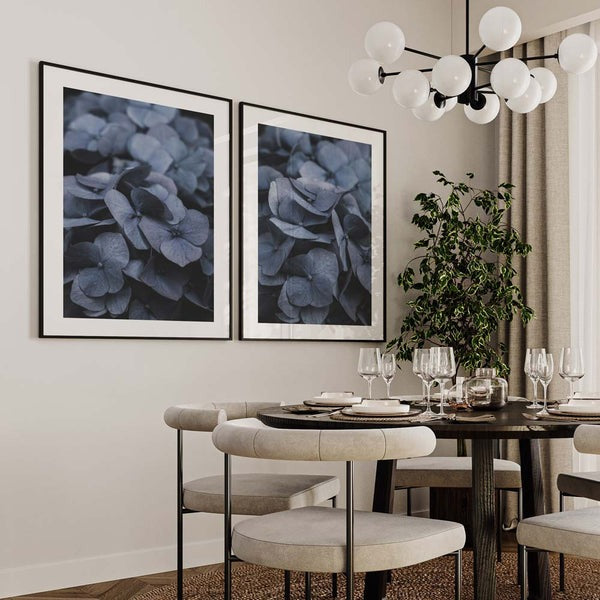
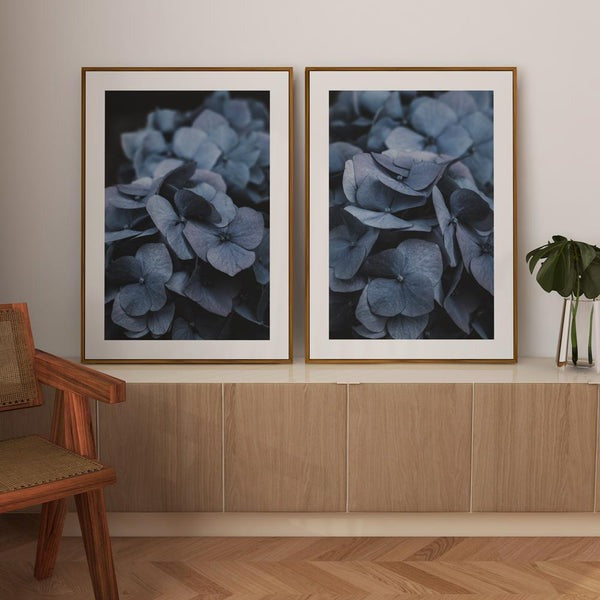
This is one reason the Florals Collection continues to resonate with homeowners seeking meaningful artwork. The collection draws upon a subject that has inspired artists, cultures, and civilizations for thousands of years while presenting it through a contemporary lens.
Whether displayed as flower canvas wall art, integrated alongside other artwork prints, or chosen as a piece of modern artwork, floral subjects continue to offer something that trends rarely provide: lasting relevance.
Humanity's relationship with flowers has survived empires, artistic movements, and centuries of change.
That alone suggests they are more than symbols of beauty.
They are symbols of what it means to be human.

Leave a comment
This site is protected by hCaptcha and the hCaptcha Privacy Policy and Terms of Service apply.